Scanned from media, docs, projects, and model-router chatter. Each card is a short original note with a source link—no reposted articles, transcript dumps, or crypto bait.
New wire checksMedia, project, router, and agent leads get scanned daily
Receipt ruleEvery card links out; summaries stay original and short
Enterprise AI budgets break at the handoff to production
Express Computer interviews New Relic India's Ganesh Narasimhadevara on why AI bills keep climbing while the blended cost per million tokens has fallen over a year, from $18.40 in Q1 2025 down to $6.07 in Q1 2026.
Cisco's Splunk adds Tokenomics to track coding-agent token spend
At Splunk .conf on Sept. 15, Cisco added a Tokenomics module to Splunk Agent Observability. It attributes token spend across AI agents and across employees' use of coding agents, naming Claude Code, Codex and Cursor.
IT Pro canvasses Gartner, IDC, 451 Research and HPE on what replaces token leaderboards. The Tokenomics Foundation's Mike Fuller says the outcome-first 'valuemaxxing' fix only measures half the equation.
Meta's Maher Saba and Santosh Janardhan told staff in an internal memo that adoption dashboards and token counts are out of performance reviews; managers should weigh the difficulty and quality of shipped work instead.
Claude Code was using 51,000 tokens before I even typed a prompt — I fixed it
Mahnoor Faisal opened a new Claude Code session, ran /context, and found 51,400 tokens already loaded. Disabling four test plugins and auto-memory got the starting context down to roughly 41,400 before any real prompt.
What You Cannot See Will Break Your LLM App: A Practitioner Guide to Production Observability
Gourav Singla details what an LLM app needs instrumented when it returns HTTP 200 and still fails: per-workflow token logging, finish-reason tracking, and tiered alerts that catch cost anomalies before the invoice explains them.
Mercury launched Agent Cards through Mercury Spend: virtual cards an AI agent spends from inside company-set rules, with transactions outside them declined automatically and no way for the agent to raise its own limit.
The strangest developer productivity metric of all time
Matthew Tyson argues token burn is a worse productivity measure than lines of code, pointing at Meta's Claudeonomics leaderboard, which ranked the top 250 of over 85,000 employees and drove 60.2 trillion tokens in 30 days.
Route AI agents across models with NVIDIA NeMo Switchyard
NVIDIA shipped NeMo Switchyard, a provider-agnostic SDK that escalates agent steps from cheap models to frontier ones only when a task demands it. LangChain benchmarked it over 145 multi-turn agentic tasks.
Dropping Claude Code from High to Medium effort cut output tokens 45%
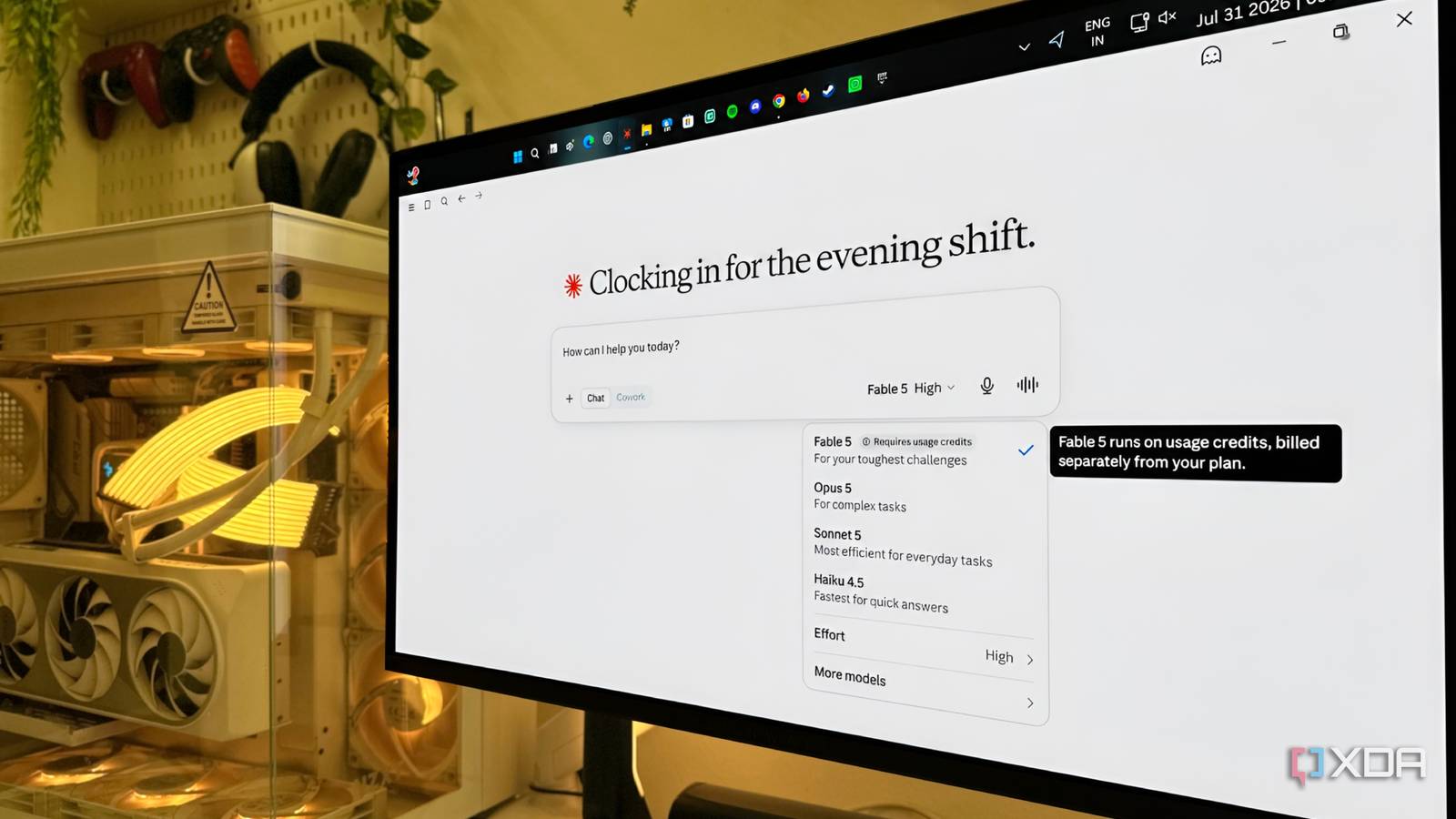
XDA's Mahnoor Faisal ran five coding jobs on Sonnet 5 twice from an identical starting codebase, changing only the effort level. High spent about 26,000 output tokens; Medium finished the same work on roughly 14,300.
The End of Token Maxing: Why Pragmatic AI Engineering is Replacing Frontier Models
On Utilizing AI Ep. 37, Futurum analysts Brad Shimmin and Guy Currier argue enterprises are retiring default frontier models for smaller, quantized, task-specific ones placed behind abstraction layers and deterministic routers.
Token Monitor - An ESP32-S3 desktop display that tracks AI coding assistant usage (Crowdfunding) - CNX Software
Fractal Manifold is crowdfunding Token Monitor, a EUR 99 ESP32-S3 desk display with a 4-inch touchscreen that shows quota use, session limits, reset timers and estimated token costs for Claude Code, Codex CLI and Antigravity CLI.
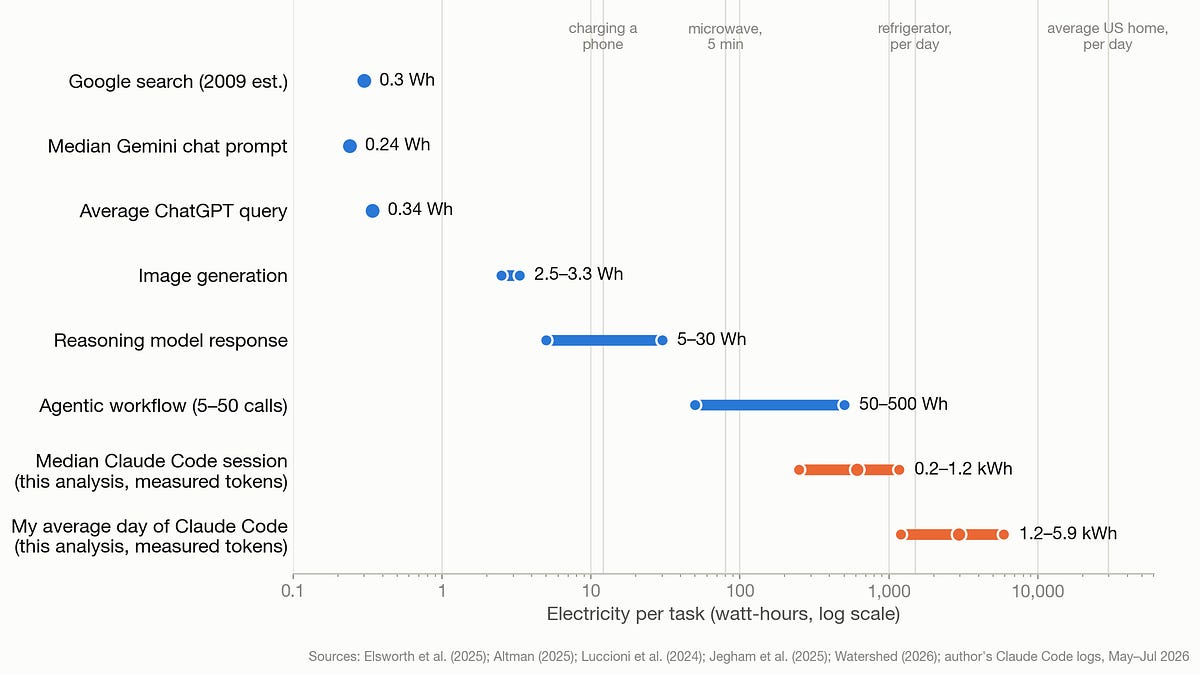
Climate scientist Zeke Hausfather metered his own Claude Code habit: 1,138 typed prompts fanned out to more than 14,000 model calls and 3.2 billion tokens in eight weeks, drawing roughly 170 kWh of data-center electricity.
DeepSeek V4 Flash led OpenRouter's July 27 to Aug. 2 usage ranking with 7.22 trillion tokens. Chinese models held all four leading slots, and V4 Flash 0731 plus V4 Pro landed inside the top six.
Microsoft Tells Engineers ‘Tokenmaxxing Is Not What We Are Optimizing For’
Microsoft EVP Jay Parikh told staff that tokenmaxxing is not the goal, giving divisions AI token budget targets as of July 2026 and making OpenAI's cheaper GPT-5.6 the default model for internal use.
Auto-Mode Routing: What Stop Us From Sending "How to Center a Div" to Claude 3.5 Opus | HackerNoon
The vCodeX team audited about 100,000 internal prompt logs, found roughly 65% were definitional questions or minor refactors hitting frontier endpoints by default, and built a sub-40ms complexity router across three model tiers.
Atlassian tightens tracking of staff AI use as other technology firms encourage ‘tokenmaxxing’
Guardian Australia saw an internal memo: Atlassian gave R&D staff monthly AI “wallets” of $500 to $2,000 spanning four tools including Claude Code. Alerts fire near the cap, usage pauses at zero, and no top-up has been refused yet.
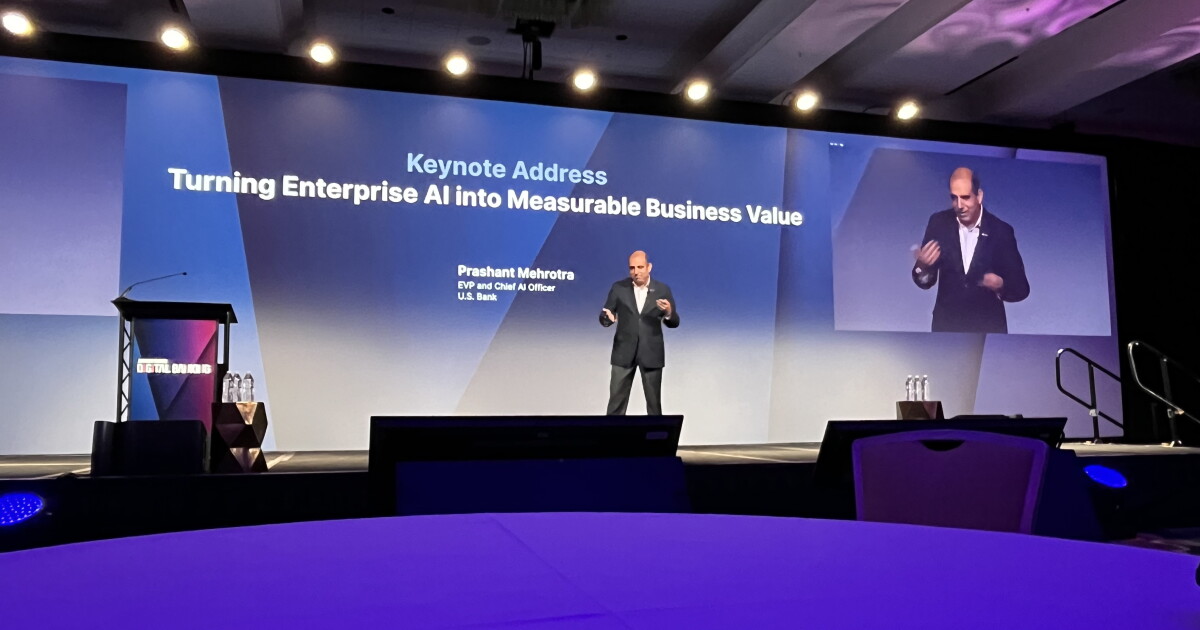
Beyond token-maxing: How US Bank AI chief navigates costs
U.S. Bank chief AI officer Prashant Mehrotra tells American Banker the bank never ran token maxing. Every proposed use case is bucketed by whether it drives growth, cuts cost, or merely feels productive — and the last bucket loses.
Workplaces look for cheaper AI as ‘tokenmaxxing’ fades as a corporate fad
AP reports the tokenmaxxing fad is buckling as costs climb without matching productivity. Moody's AI analytics head Vincent Gusdorf, author of a new report, says bills piled in and teams realized the tools need disciplined use.
Token-maxing is an AI cost sink - how to use agents without busting your budget
ZDNET asks enterprise leaders how to run agents without wrecking the budget. Boomi CEO Steve Lucas says he spent ten times more on Claude last year than the year before, and calls that pace flatly unsustainable.
Claude Code Was Burning Tokens Until I Put a Gate in Front of It | HackerNoon
Prateek Kapoor wrapped Claude Code in a PreToolUse hook that rejects unbounded greps and whole-file reads, hands the agent a corrected command, and reports 75% to 80% lower token use on heavy editing tasks.
‘Modelmaxxing’ Replaces ‘Tokenmaxxing’ for Firms Grappling With AI Costs
The Daily Upside charts enterprises trading token-hoarding for per-task model shopping. An IDC poll of 260 US decision-makers at firms above 1,000 staff found 47% already run a Chinese model somewhere, and 20% lean on them heavily.
Anthropic shipped Claude Opus 5 on July 24 priced level with Opus 4.8, pitching near-Fable 5 intelligence at half the price. Its own Frontier-Bench v0.1 figures show more than double the predecessor's score, and cheaper per task.
'You just hired a million bad employees': How the brief tokenmaxxing era delivered the opposite of what it promised
Fortune's Nick Lichtenberg argues the tokenmaxxing boom backfired: firms rolled out AI agents faster than they could manage them. Hebbia founder George Sivulka warns most companies effectively 'hired a million bad employees.'
ContentGrip's Lena Marlowe reports agencies have moved past whether to use AI to whether they can prove it pays for its own token bill. Accountability, not adoption, is now the hard part.
rtk Raises Claude Code Costs at Low Effort: JetBrains Benchmark Debunks 60–90% Claim
A JetBrains benchmark (July 20) ran ‘rtk,’ a proxy marketed to cut Claude Code tokens 60–90%, across 425 billed trials. At low effort it made sessions a median 7.6% MORE expensive—while rtk’s own analytics logged 96.2M tokens ‘saved.’
Nvidia shows off Vera Rubin platform for tokenmaxxing
At an Nvidia lab briefing, Ian Buck pitched Vera Rubin as an AI-factory play: 10x the tokens per watt of a GB200 NVL72 in early CoreWeave runs on DeepSeek-R1, plus a Vera CPU said to double agent speed.
The cost of intelligence: How CIOs can manage AI demand at scale - McKinsey & Company
McKinsey’s July 20 report finds 93% of enterprises are already blowing past their AI budgets, with spend jumping nearly 4x as pilots go company-wide. The fix it prescribes: run “FinOps for AI” and treat tokens like cloud cost.
Gizmodo reads the Wall Street Journal's CIO Journal and finds tokenmaxxing rebranded as frontier-only mandates: Shopify bars engineers from cheaper models, while Olive founder Bill Nguyen burned 774 billion tokens in a month.
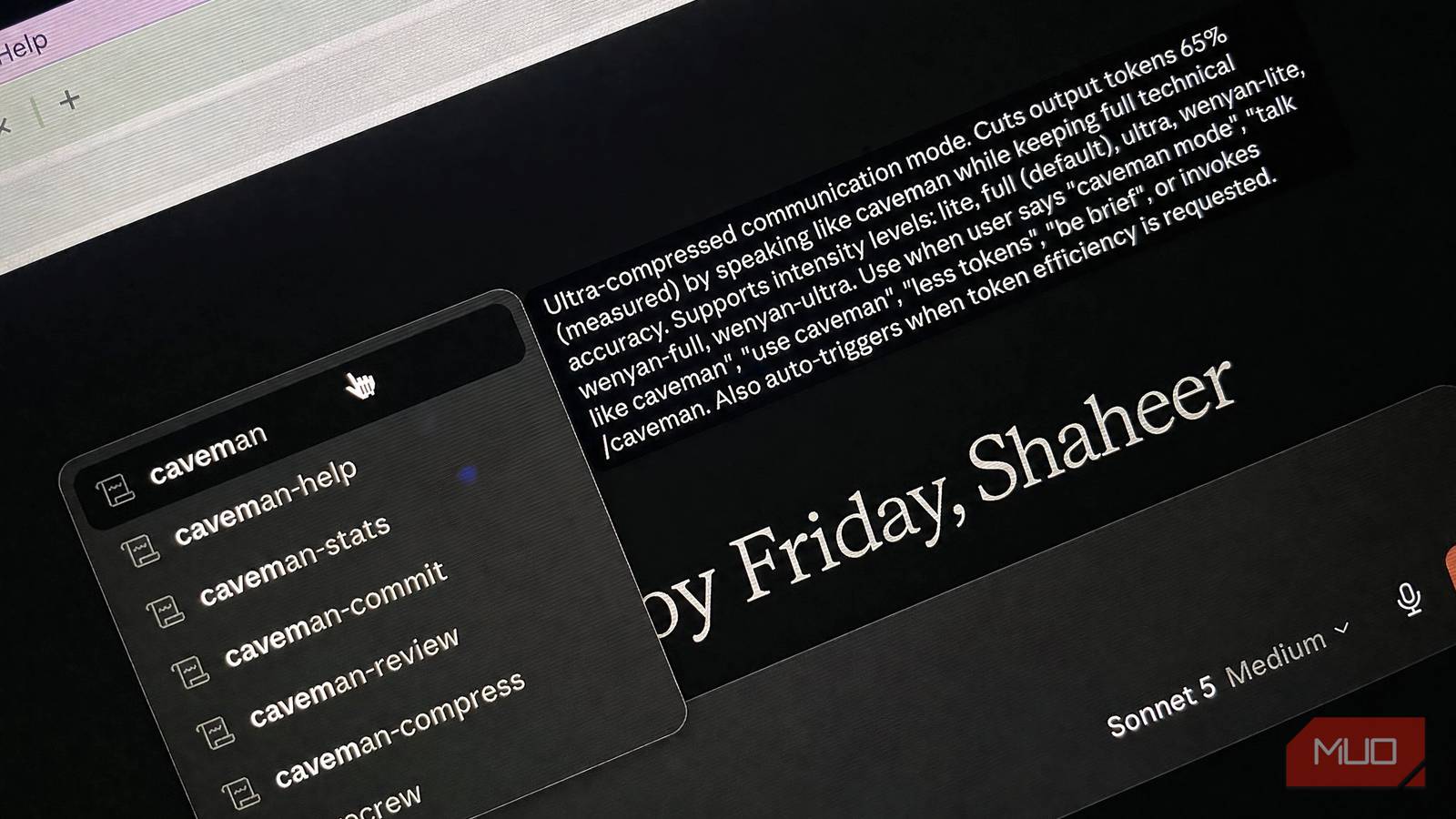
I taught Claude to talk like a "caveman" and ended up saving 70% of my output tokens
MakeUseOf benchmarked a community caveman plugin for Claude against normal and terse prompting, counting input and output tokens for a single prompt and then averaged across ten prompts.
20VC x SaaStr This Week : Apple Sues OpenAI, the Token-Maxing Era Begins, and the TAM Question Hanging Over AI Coding
On the 20VC/SaaStr podcast, Jason Lemkin, Harry Stebbings and Rory O'Driscoll call the budget era: ClickHouse has grown its AI bill 60-fold since February, while the best engineers keep 10 to 20 agents busy overnight.
AI Agents Need a Gateway, and Citrix Is Putting NetScaler in the Middle
Citrix said on July 9 that NetScaler AI Gateway now carries an MCP Gateway, steering agent traffic to approved MCP servers while metering input and output tokens per team, user, or app across rival model providers.
From story points to tokenmaxxing: Why engineering keeps measuring the wrong things
FormAssembly CTO Bryan O'Neill places tokenmaxxing in a lineage of engineering vanity metrics: paying per line of code in the 1990s, then story points teams quickly learned to game. Each counted effort rather than delivered value.
Chamath Palihapitiya says soaring AI token spend will hit company earnings
Investor Chamath Palihapitiya told CNBC that runaway AI token spend is largely invisible to CEOs and CFOs, and predicted it will eventually surface as an unexplained earnings miss of a few cents a share.
After ‘Tokenmaxxing’, Token Spend Has Become The New Metric To Watch
Forbes contributor Tim Keary argues the tokenmaxxing push has flipped into cost discipline: with CFOs and boards watching, firms now track token spend per engineer and blend premium and cheaper models instead of maximizing usage.
FinOps for AI: Snowflake's AI Cost Management and Governance Tools
Snowflake's product team makes the case for 'FinOps for AI' — governing model spend the way cloud bills got governed — and rolls out per-user token quotas, budgets, and org-level cost views to meter Cortex and agent usage.
Share Of US Models Being Used On OpenRouter Has Collapsed From 70% To 30% Over The Past Year
A Bloomberg chart drawing on OpenRouter and Exponential View data puts the combined Google, OpenAI and Anthropic share of tokens routed through the platform near 70% in June 2025 and roughly 30% a year later.
Techzine’s Erik van Klinken argues cross-provider model routing can quietly backfire: each hop to a cheaper model triggers a cold start that throws away prompt-cache and context savings, so recomputation can cost more than routing saves.
Palantir's 9-point manifesto decries tokenmaxxing and champions 'AI sovereignty'
Palantir dropped a 9-point 'AI sovereignty' manifesto on X, branding tokenmaxxing a hit of 'false progress' and taking direct aim at OpenAI and Anthropic's per-token pricing. CEO Alex Karp's jab: 'Why are they charging for tokens?'
Anthropic launched Claude Sonnet 5 on June 30, priced at $2/$10 per million input/output tokens through Aug 31, then $3/$15. It pitches the model as approaching Opus 4.8 quality at a lower price.
O'Reilly's Mike Loukides argues the tokenmaxxing era ends once finance notices the bill: GitHub Copilot swapped unlimited access for $0.01 credits, GPT-5.5 costs 2x GPT-5.4, and Claude Fable doubles Opus 4.8 per token.
Meituan open-sources LongCat-2.0 — the 1.6T model that topped OpenRouter as Owl Alpha
WinBuzzer: Meituan opened LongCat-2.0, a 1.6-trillion-parameter MoE coding model (~48B active per token, 1M-token context) that surfaced atop OpenRouter as the unbranded alias Owl Alpha — MIT-licensed, with weights not yet posted.
AWS maps three layers of Bedrock token-cost visibility
Rachanee Singprasong and Chitresh Saxena lay out three layers of Bedrock cost visibility: native CloudWatch metrics plus CUR 2.0 caller-identity attribution, then model invocation logging, then OpenTelemetry in the client.
Why Token Optimization Is a Gift to the Hyperscalers
UncoverAlpha's Rihard Jarc argues the pivot from tokenmaxxing to token optimization — routing cheap work to cheaper models — won't shrink AI bills. It multiplies token volume, and the hyperscalers renting the compute collect either way.
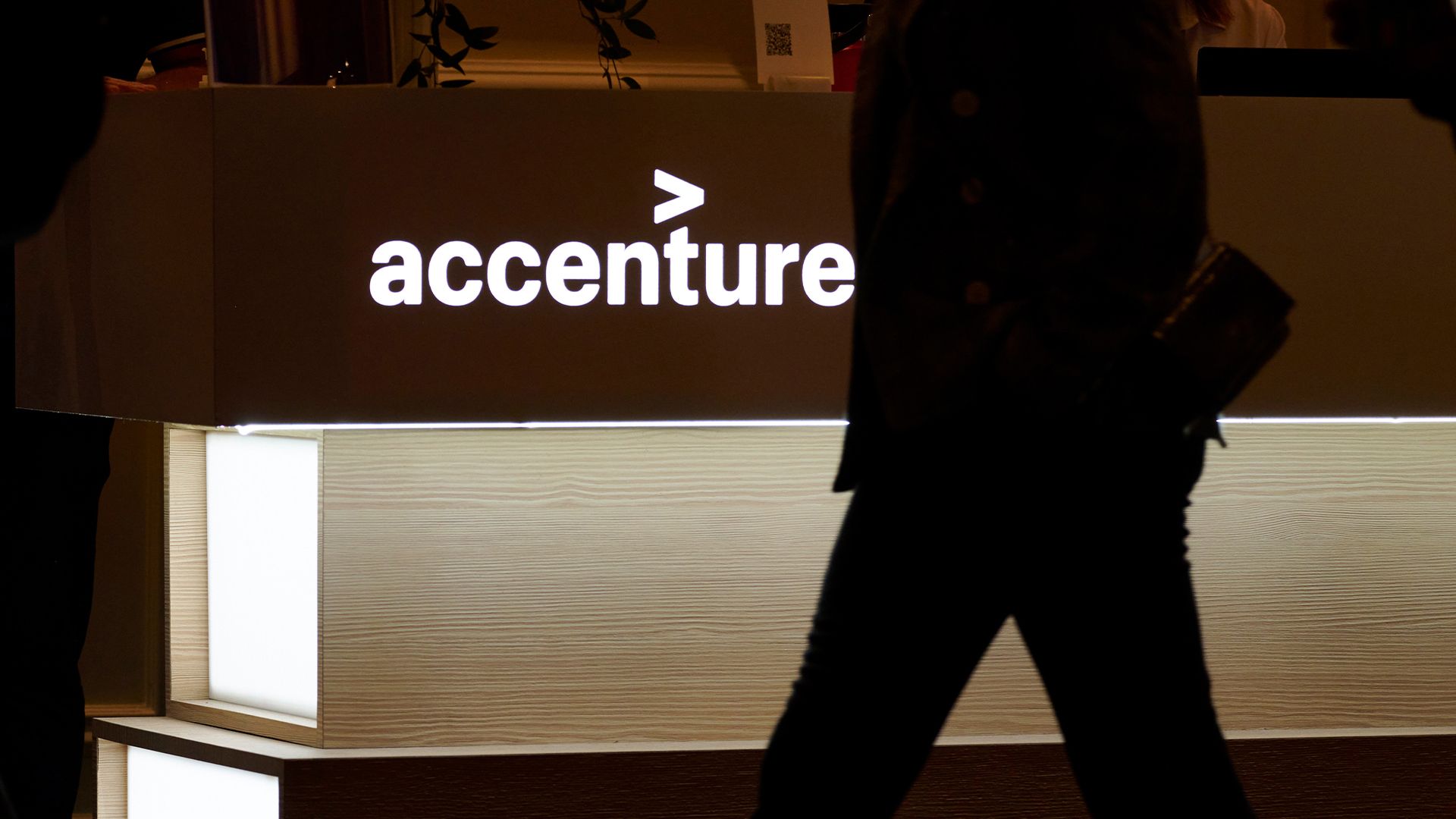
‘What we’re seeing right now is just rapid escalation in AI token spend’: Accenture tells staff to stop using AI for unnecessary tasks amid surging costs
Leaked internal audio, reported by IT Pro via 404 Media, shows Accenture telling staff to stop burning AI tokens on low-value work like turning PDFs into slide decks, as its agentic-AI lead flags a sharp jump in token spend.
Coinbase halves its AI bill with cheaper defaults, routing, and caching
Coinbase CEO Brian Armstrong says five levers — cheaper model defaults (GLM 5.2, Kimi 2.7), task routing, caching, lean context, and spend visibility — cut the company’s AI bill roughly in half despite rising token volume.
Anthropic’s Economic Index maps the daily cadences of token use
Anthropic’s June 2026 Economic Index ties Claude use to real-world rhythms: 93% of chats yield an artifact, marketing-manager sessions burn ~2.5x the tokens of editors, and app-building runs over 3x the median conversation.
AI cost challenges mount as agent use gets more complex: KPMG
KPMG’s Q2 AI Pulse (204 US leaders at $1B+ firms) finds twice as many companies now running fleets of coordinated agents — up to 18% from 9% — yet only 26% can see in real time what AI at scale actually costs them.
Companies are scrambling to stop employees from maxing out AI budgets with small tasks | TechCrunch
TechCrunch reports Accenture is reining in employees who spend premium AI tokens on trivial jobs — like converting PDFs into slide decks — after agentic AI lead Justice Kwak flagged spend turning unpredictable and material to costs.
Gartner Warns AI Coding Costs Could Exceed Developer Salaries
Computer Weekly: Gartner forecasts that by 2028 the tokens behind AI coding agents will outcost the average developer's salary. Already 6% of firms pay over $2,000 per developer monthly, and analyst Nitish Tyagi sees costs still climbing.
How will AI tools be priced in a post-tokenmaxxing world?
CFO Brew reports vendors including Pegasystems and Intercom are shifting from token-metered pricing toward outcome-based fees as buyers question whether uncapped AI spend ever paid for itself.
From tokenmaxxing to ROI-maxxing: Why enterprises are finally putting a price on AI
Fortune India charts the move from tokenmaxxing to ROI: Uber spent its ~$3.4B-equivalent annual AI budget in four months and capped engineers at $1,500/mo, while only 21% of firms have mature agentic-AI governance, per Deloitte.
Companies spent months pushing workers to use AI more. Now the token Hunger Games could be coming.
Business Insider reports the workplace swing from “use more AI” to rationing: Pylon set token caps to dodge a $1.4M bill, Coinbase and Walmart added limits, and “tokens” surfaced in 129 Q2 earnings calls — up from 57 a quarter earlier.
Analyzing Claude Code usage with CloudWatch and OpenTelemetry | Amazon Web Services
AWS engineers detail how to export Claude Code OpenTelemetry metrics into CloudWatch via bearer-token API keys, tracking claude_code.token.usage and cost.usage per developer — under $15/month for a 200-person org.
Anthropic "pauses" token-based billing for its Claude Agent SDK
Anthropic paused its plan to move Claude Agent SDK power users onto metered API pricing, updating its billing page to put the rollout on hold while it reworks how heavy agent usage is charged on subscription plans.
‘Pretty Crazy’ Token Usage Is Testing Bosses’ Bet on AI
WIRED maps the new 'tokenomics' scramble: across earnings calls and C-suites, companies from 8x8 to Cisco are tallying soaring AI token bills, some celebrating savings, others slapping on usage caps.
Disney is pushing tech employees to move faster with AI — but avoid 'tokenmaxxing'
Disney is pushing streaming engineers to ship faster with AI while EVP of product engineering Andre Rohe warns against 'tokenmaxxing'; its AI Adoption Dashboard is now framed as a way to flag inefficient usage, not a usage scoreboard.
Ramp Raises US$750m to Build Gen AI Infrastructure - AI Magazine
TechCrunch reports Ramp raised $750M at a $44B valuation, with CEO Eric Glyman casting cross-provider AI token-spend monitoring as Ramp's new 'third pillar' product.
Satya Nadella is trying to rein in the tokenmaxxers at Microsoft
At a live 'Hard Fork' taping, Microsoft CEO Satya Nadella said tokenmaxxing inside the company happens 'a lot' and called it 'addictive' — but told staff to match the model to the job, not default to the biggest one.
‘Nobody has budgeted’ for tokenmaxxing, Box’s Levie says
Box CEO Aaron Levie told Semafor that AI coding costs 'just showed up overnight' once 10,000 of his engineers piled onto Claude Code, and warned that 'nobody has budgeted' for the bills now hitting enterprises.
Anthropic shipped Claude Fable 5 (GA, with classifier safeguards) and Claude Mythos 5 (safeguards lifted, vetted partners only) on June 9 — $10 per million input tokens, $50 per million output, under half the Mythos Preview price.
Kubernetes Becomes the AI Substrate: 66% of GenAI Inference, DRA GA, llm-d
A practitioner reading of June's CNCF news: 66% of orgs running GenAI inference do it on Kubernetes, DRA went GA, gang scheduling landed natively, and Nvidia and Google donated their DRA drivers — self-hosted inference is complete.
How Ramp is Fuelling AI Spend Management Expansion
Ramp closed a $750M round at a $44B valuation and is launching AI token spend management, procurement agents, and accounting agents on top of $1B+ annualized revenue and 70,000+ customers.
How Much Do AI Tokens Cost Businesses? 2026 Spending Benchmarks
Ramp's June 2026 benchmarks from thousands of customers: median AI spend is $2,246/month but the average is $140,842, skewed by heavy users. Blended token prices average $0.72 per million—$0.07 for GPT-5-nano, $1.42 for GPT-5.5.
Palantir CEO Alex Karp: enterprises are 'token maxing' AI without results
Palantir CEO Alex Karp told a podcast that enterprises are 'token maxing' AI, with staff 'checking the weather with it' and 'rearranging deck chairs,' and said Palantir built an internal tool to curb the waste.
15 AI Agent Observability Tools in 2026: AgentOps & Langfuse
AIMultiple compares 15 observability platforms for LLM apps and AI agents, emphasizing traces, dashboards, and real-world instrumentation tradeoffs rather than treating monitoring as a generic logging problem.
Mercor CEO: token spend will top headcount spend within five years
On the 20VC podcast, Mercor CEO Brendan Foody predicts token spend will exceed headcount spend within five years, and says the token bill inside organizations is only set to keep rising.
Silicon Valley's AI token craze is facing a reality check
Business Insider says the gamified token-leaderboard era is yielding to efficiency-maxxing: Amazon told staff not to use AI for its own sake, Copilot moved to usage-based billing, and labs now compete on intelligence per dollar.
‘I’m cancelling’: As Microsoft’s GitHub Copilot moves to token-based billing, developers fear rising AI costs - The Indian Express
The Indian Express reports that Microsoft is moving GitHub Copilot from flat subscription pricing toward token-based billing, triggering developer backlash over the possibility of sharply higher monthly costs.
Token-maxing backlash fuels debate over corporate AI spending without results
DigitalToday highlights a growing backlash against indiscriminate AI spend, describing a shift from expansion-at-any-cost toward closer scrutiny of whether token-heavy workflows deliver measurable business value.
RAG Is Burning Money — I Built a Cost Control Layer to Fix It | Towards Data Science
Most RAG systems are optimized for answer quality, not cost-and that blind spot gets expensive fast. In this article, I break down a production-ready cost control layer combining semantic caching, query routing, token budgeting, and circui…
Amazon deletes devs’ tokenmaxxing leaderboard to minimize costs - InfoWorld
Amazon reportedly pulled an unofficial internal leaderboard that ranked employees by AI usage after it drove wasteful behavior and higher compute bills—workers started spinning up agents just to climb the rankings.
Tokenmaxxing is dead. It didn't produce the AI ROI companies wanted. - Fortune
Fortune's Jeremy Kahn argues the tokenmaxxing era ended nearly as fast as it began: Meta, Amazon, Microsoft, and Uber retired token-usage incentives once spend outran provable returns.
Our latest model, Claude Opus 4.8, is an upgrade to our Opus class of models, with stronger performance across coding, agentic tasks, and professional work, and the consistency to handle long-running work.
“Tokenmaxxing is real, expensive & it’s spreading”: AI budgets are exploding - The New Stack
AI accountability startup Lanai debuted Token Tuner, a beta that scores each employee's efficiency by matching token usage and model choice to task complexity — peers burned 10x the tokens for half the efficiency in one beta.
Tech Brew says Uber is reassessing the return on its AI rollout after leadership acknowledged the company burned through its 2026 token budget early and still cannot clearly tie that spend to customer-facing value.
OpenRouter Now Processes More Than a Quadrillion Tokens a Year | Menlo Ventures
Menlo Ventures argues OpenRouter is becoming a core multi-model routing layer, and highlights how routing, caching, and policy controls matter as token volumes surge.
Uber's COO says it's getting harder to justify the money spent on AI tokenmaxxing
Business Insider reports Uber’s COO says AI spend is harder to justify without proportional output, spurring internal debate about token consumption versus headcount.
AI Cost Crisis Emerges as Claude Usage and Agentic Coding Bills Spiral
Yahoo Finance flags an emerging AI cost crunch: agentic coding and heavy Claude usage can spike bills fast, forcing leaders to rethink budgeting and ROI.
From Prototype to Profit: Solving the Agentic Token-Burn Problem | Towards Data Science
Why agentic apps often burn tokens without converging—and a practical design pattern (explore → commit → measure) to control cost while keeping quality.
Tom's Hardware reports that corporate "tokenmaxxing" incentives are starting to backfire: agentic workflows can spike token usage (and bills), prompting some companies to steer usage toward internal tools and rein in runaway spend.
Microsoft reports are exposing AI's real cost problem: Using the tech is more expensive than paying human employees | Fortune
Fortune reports on a growing mismatch between “use AI everywhere” incentives and the reality that broad adoption can create surprisingly large bills—especially when agentic workflows multiply calls behind the scenes.
LLM Orchestration in 2026: Top 22 frameworks and gateways
AIMultiple surveys the orchestration layer around LLM apps, focusing on the frameworks and gateways teams use to route requests, manage prompts, and control operational complexity.
Exponential View frames tokenmaxxing as a budgeting problem: agentic AI turns token usage into a variable cost that can outgrow fixed pilot assumptions.
Augment Code breaks down why adding agents can explode costs: orchestration overhead, context handoffs, retries, and verification loops often dominate raw model pricing.
Claude Code’s product lead talks usage limits, transparency, and the “lean harness” - Ars Technica
Ars interviews Claude Code product head Cat Wu after Anthropic doubled usage limits: idle-broken caches make the next query far more expensive, and some plugins silently spawn around a hundred subagents per run.
Microsoft’s WinUI agent plugin trims token use by over 70% during development - Help Net Security
Help Net Security covers Microsoft's WinUI agent plugin for GitHub Copilot CLI and Claude Code, aiming to make WinUI 3 app loops (build/run/test/package) agent-friendly.
Clawdmeter - A DIY ESP32-S3 desk dashboard for Claude Code token usage monitoring - CNX Software
Clawdmeter is a DIY ESP32-S3 desk display that shows Claude Code token usage in real time—turning invisible budget burn into a physical, glanceable meter.
A Yahoo Finance segment discussing the “AI tokenmaxxing” phenomenon: employees reportedly overusing AI tools to climb internal usage leaderboards, even when it doesn’t improve the work.
Amazon employees admit to using AI unnecessarily to pump up internal usage scores — workers complain of intense pressure to use AI tools - Tom's Hardware
Amazon's internal AI usage targets can turn into tokenmaxxing: employees run unnecessary tasks in agent tools to climb dashboards rather than ship better work.
‘That doesn't sound very healthy’: Amazon’s reported tokenmaxxing might gamify AI usage, analyst warns - Fortune
Fortune reports that internal AI leaderboards can encourage "tokenmaxxing" - running trivial tasks to inflate usage - turning adoption into a status game instead of value delivery.
Enterprise hits and misses - AI results are elusive, but why? Tokenmaxxing is here, and AI (in)security is looming - Diginomica
Diginomica warns that enterprise AI programs can drift into tokenmaxxing consumption goals, creating spend without clear business results and amplifying security risk.
Hermes Agent leads OpenRouter as agent usage becomes a market signal – Startup Fortune
OpenRouter's public app/agent leaderboard briefly put Hermes Agent at #1, illustrating how token-based usage dashboards can steer attention in the agent boom.
Silicon Valley's 'Token-Maxing' Frenzy: Light and Shadow
A Seoul Economic Daily report frames "token-maxing" as a cultural and budgeting problem emerging alongside autonomous coding agents and token-priced models.
Introducing Augment Prism: model routing to reduce cost and maintain quality
Augment Code introduces Prism, a cache-aware model router for coding-agent sessions that chooses an underlying model per user turn to reduce token spend without materially degrading output quality (per Augment’s benchmarks).
OpenObserve Introduces AI-Native Observability Platform with Autonomous AI SRE Agent to Unify Infrastructure, Application and LLM Monitoring - Business Wire
OpenObserve launched an AI-native observability bundle that brings LLM telemetry, anomaly detection, and an autonomous SRE layer into one monitoring surface.
An update on recent Claude Code quality reports - Anthropic
Anthropic said the spring drop in Claude Code quality came from three product-layer changes rather than a weaker underlying model: a lower default reasoning setting, a session-history bug after idle periods, and a verbosity prompt tweak.
Anthropic quietly nerfed Claude Code's 1-hour cache, and your token budget is paying the price - XDA
Claude Code users reported burning through usage quotas faster after Anthropic shortened the tool’s effective cache window, reducing how much prior context could be reused without re-paying input tokens.
First token counts reveal Opus 4.7 costs significantly more than 4.6 despite Anthropic's flat pricing - the-decoder.com
Anthropic’s Claude Opus 4.7 keeps the same per-token pricing as 4.6, but real requests can cost more because the updated tokenizer can turn the same text into substantially more tokens.
‘Tokenmaxxing’ is making developers less productive than they think - TechCrunch
Tech teams are treating token burn as a productivity metric, but the article argues bigger prompts and more AI output can raise review load, churn, and technical debt.
DBR frames "tokenmaxxing" as a Silicon Valley status game turning token throughput into a performance signal, while ballooning bills push companies to shift from bragging rights to per-employee token efficiency and cost controls.
How Silicon Valley's 'tokenmaxxing' is juicing AI demand
CNBC frames tokenmaxxing as a workplace behavior where teams turn AI consumption into a performance signal, pushing token volume higher even when the output gains are less clear.
Ramp targets AI’s fastest-growing cost: spend that’s hard to track
Ramp is building AI spend management that pulls token-level usage data from AI providers and attributes it to teams/projects so finance can see where costs come from.
After tokens became the new currency in Silicon Valley, engineers started playing the game of inflating transaction volumes.
PANews frames tokens as an emerging workplace and startup resource, then warns that visible consumption can turn into metric inflation rather than real productivity.
Building a Production-Ready Multi-Agent FinOps System with FastAPI, LLMs, and React | HackerNoon
A build-focused walkthrough of a multi-agent FinOps control plane: rule-based triggers plus LLM reasoning to recommend cloud cost actions, with a UI and human approval in the loop.
China’s MiniMax, Moonshot top AI token use ranking, ending year of US dominance
SCMP reports that OpenRouter's token-usage rankings show a surge in demand for Chinese open-source models, with MiniMax (M2.5) and Moonshot (Kimi K2.5) leading by token usage after a wave of recent releases.
Bunq adopts Orq.ai router amid Europe AI sovereignty push - IT Brief UK
IT Brief UK reports bunq replaced in-house LLM routing with Orq.ai’s router, citing rising maintenance costs and gaps in observability, governance, and performance.